The Donjek River Bridge, Canada

Some memories are dictated much by the weather.  Storms, wind, rain, and very often, sun.  Sometimes the sun falls just right, and the breeze is peaceful, and you’re in a good place. It might so happen that it’s 40 below, but some things can’t be helped.

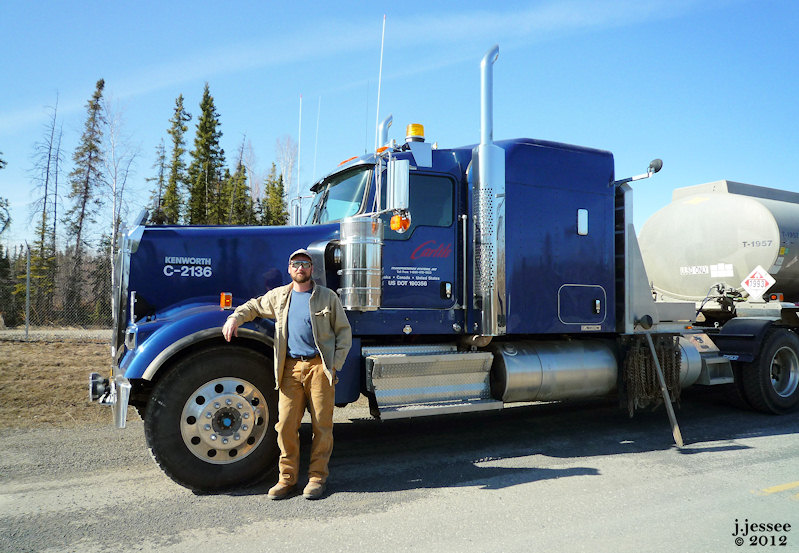
This is my single favorite photo of Jack. It is November 2006.  His face is a little stiff from the cold but the afternoon setting sun shows how much he enjoys this crazy job of taking big things to faraway places.

Jack Jessee

In this case he gets to bring bridge beams to the Donjek River in Yukon Territory, Canada.
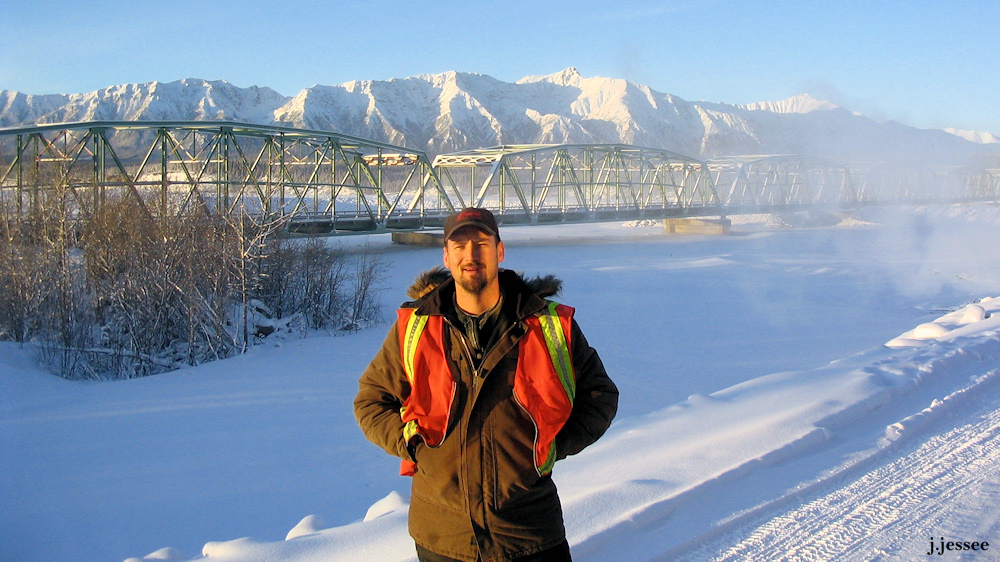
Jack JesseeThe old bridge is behind Jack.

Bridge Beam

Jack actually helped haul the bridge beams in the summer and is now (November 2006) back in the winter to pick them up again and bring them down to the crane on the ice.
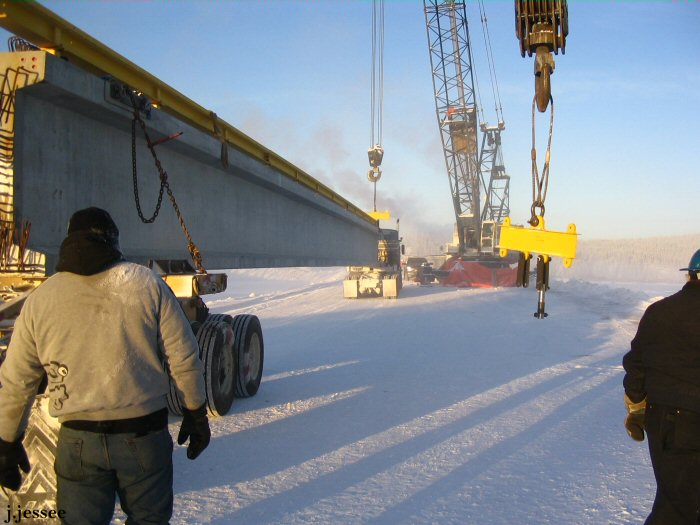
Bridge Beam

 There are two cranes used to pick up the bridge beam.  The yellow piece that is at the right in the photo above is hanging from the other crane which is behind the person taking the photo (Jack).

Semi-truck

The trucks are awaiting another bridge beam to load.
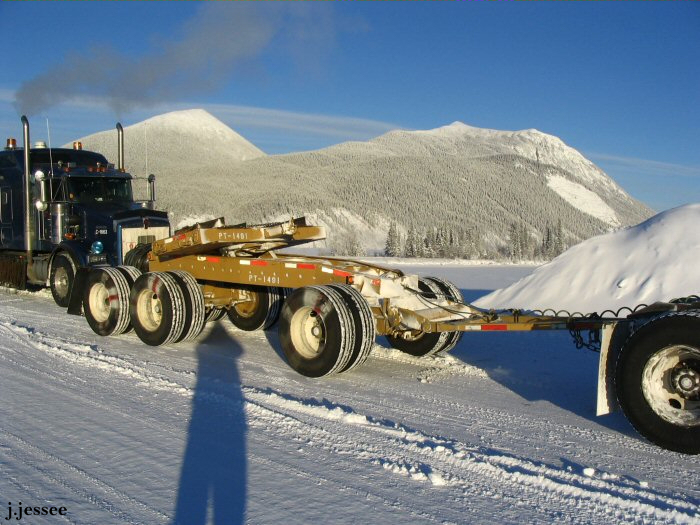
Semi-truck with trailerThis is the dolly used to haul the bridge beams.

Jack JesseeJack is wearing a face mask, but no gloves!  No figure.

Bridge The arrow is pointing to the bridge beams already placed where they will forever stay.
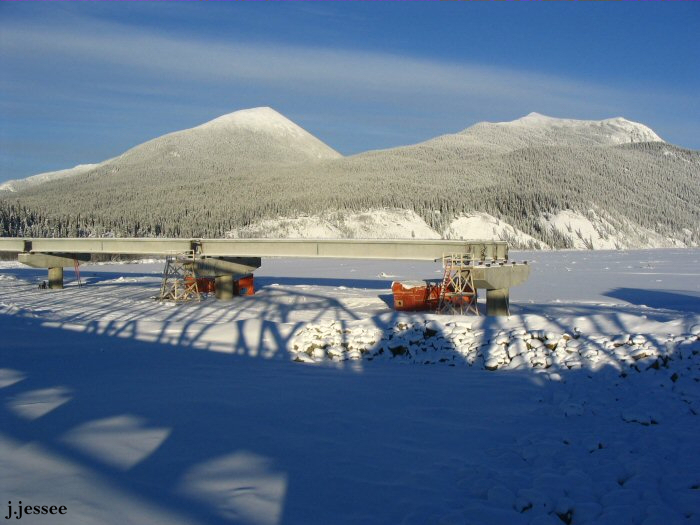
bridge building

bridge building  Below is a Google Earth image of the Donjek River.  You can see the new bridge and the old road leading up to the river but the old bridge has been dismantled and removed.
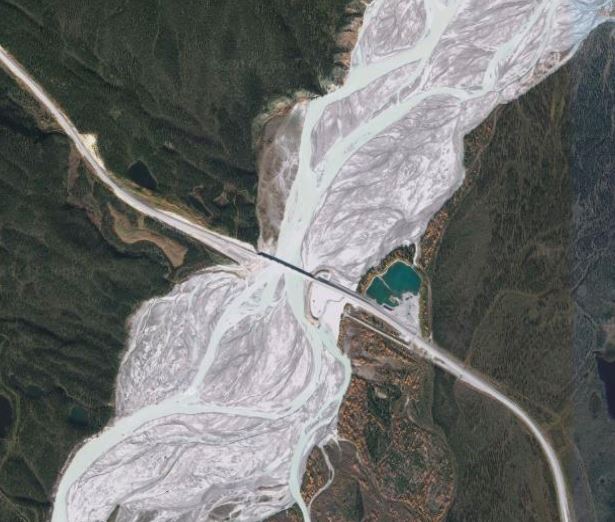
Donjek River

Have a great day!


Photos from a past hauling job

Here are some miscellaneous photos that Jack took a couple of years back at a marine dock in Valdez.  He was there in May of 2012, hauling items for the railroad bridge that’s now finished (although there aren’t tracks leading to or away from it).

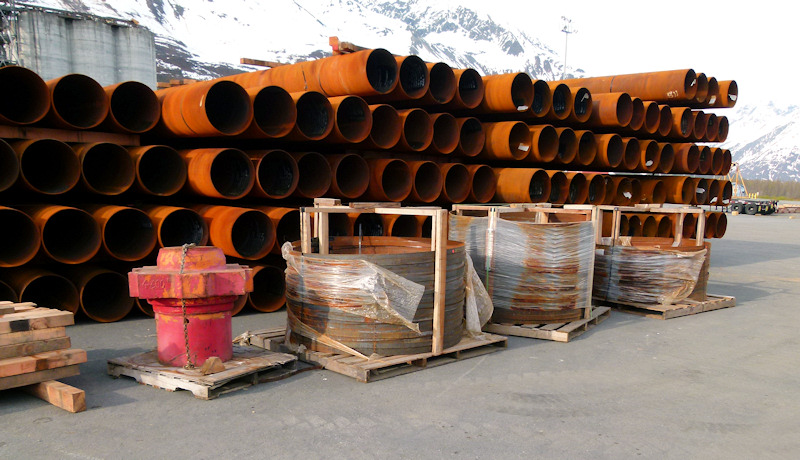
Pipe Hammering Device

The above piece is part of the hammer used to drive pilings into the ground.  For bridge foundations in this case.

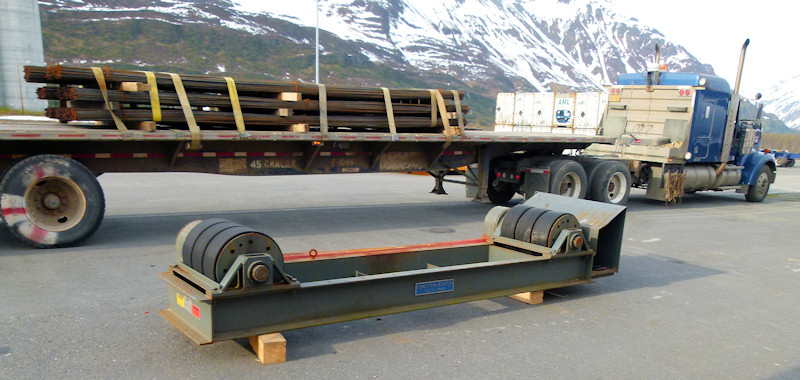
Pipe roller

This is used to put pipe on so it can roll while being welded together.

Miscellaneous items in marine yardThese are miscellaneous items  used on the bridge job.

Pipe rollerAnother pipe roller.

Piling Driving DeviceJack says this stands on end and the large circular piece drives down into the hole and onto a piling.

Piling driving deviceThis is the hammer that pounds a piling, Jack thinks it’s for 24 inch pipe.

The large circular device in back should be for the large pipe in the far background.

Miscellaneous marine yard items24 inch pipe in back of some other items.

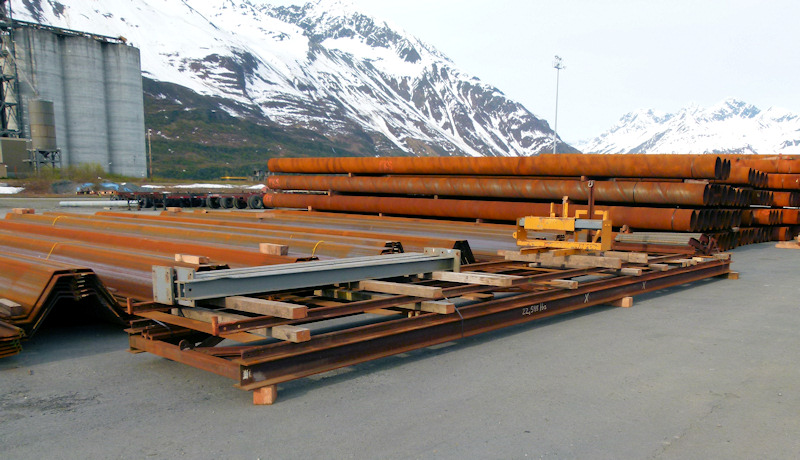
Marine yard miscellaneous itemsSheet piling (which gets pounded into the ground to create an embankment) and miscellaneous steel items.

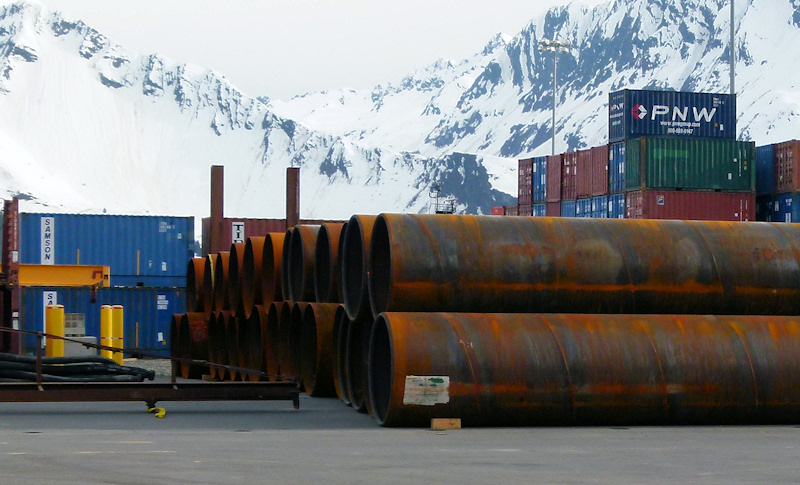
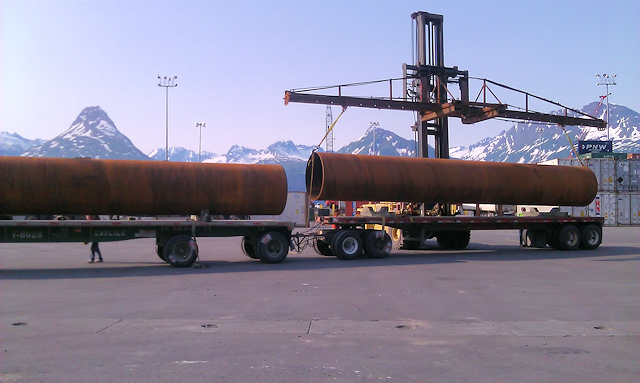
Six foot pipe in ValdezSix foot diameter pipe that most people can walk though without bending over.

Six Foot Diameter PipeMore six foot diameter pipe with shipping containers in the background.

I must say this marine yard is a tad more attractive than most, surrounded by beautiful mountains and all!

Have a wonderful day and thanks to those of you who follow this blog and make comments. 🙂

+++++++++++++++++++++++++

+++++++++++++++++++++++++

+++++++++++++++++++++++++

Jack’s driving the motor home this time…

This year Jack took me and the motor home out for a quick weekend hunt.  (It was really camping, not hunting, although Jack would have taken a shot if he came across one in an accessible area.)  We really wish we had been able to get out a little more over the summer!

There is always next year…

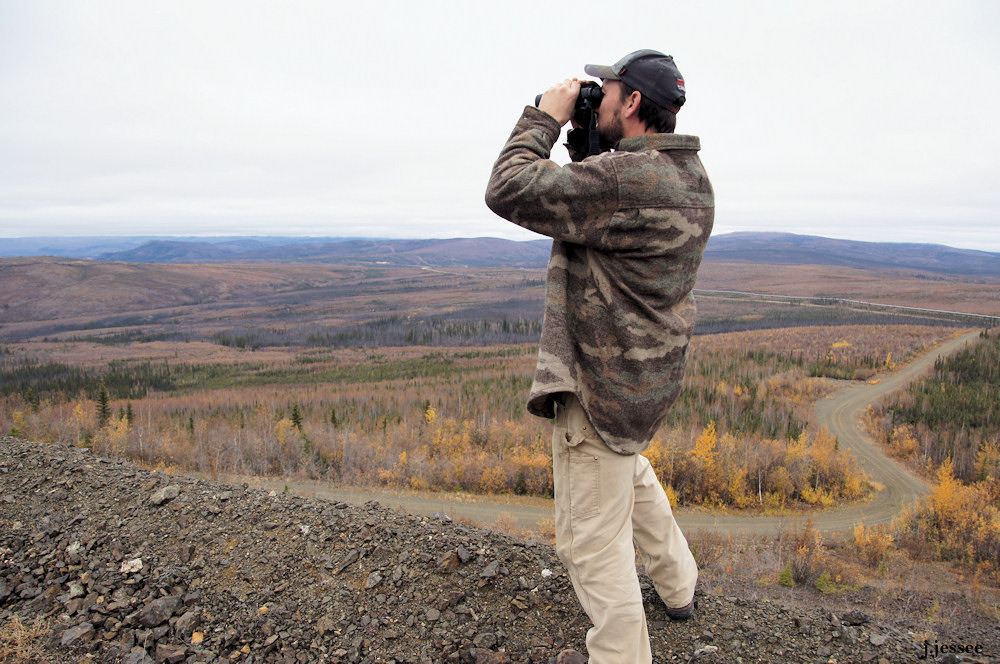
Jack, taking a look

Jack, taking a look

Sport, taking a lookSport, taking a look

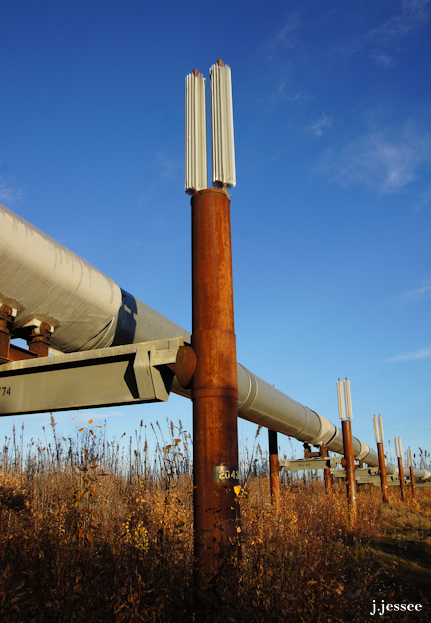
Truck on the Dalton Highway, with the Trans-Alaska Pipeline next to the road

A Western Star truck driving the Dalton Highway with the Trans-Alaska Pipeline in the background.  Jack knew who the driver was, of course.

Jack's wife, Judy and their dog Sport

Jack’s wife, Judy (me), and our dog Sport.

What are these?

Any idea what these are?

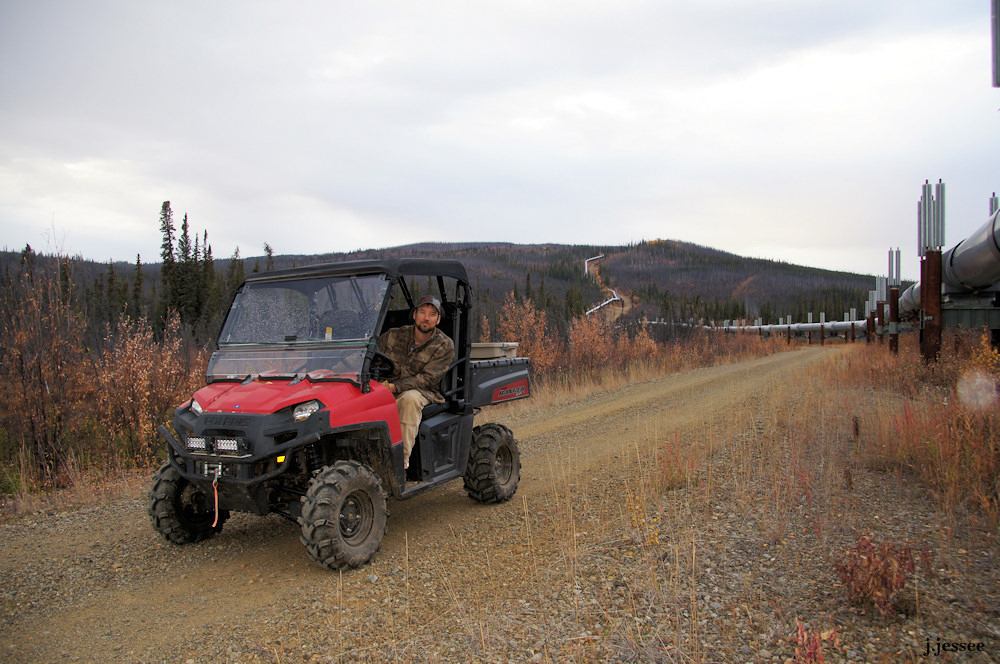
Jack on a pipeline access road

Jack on a pipeline access road.

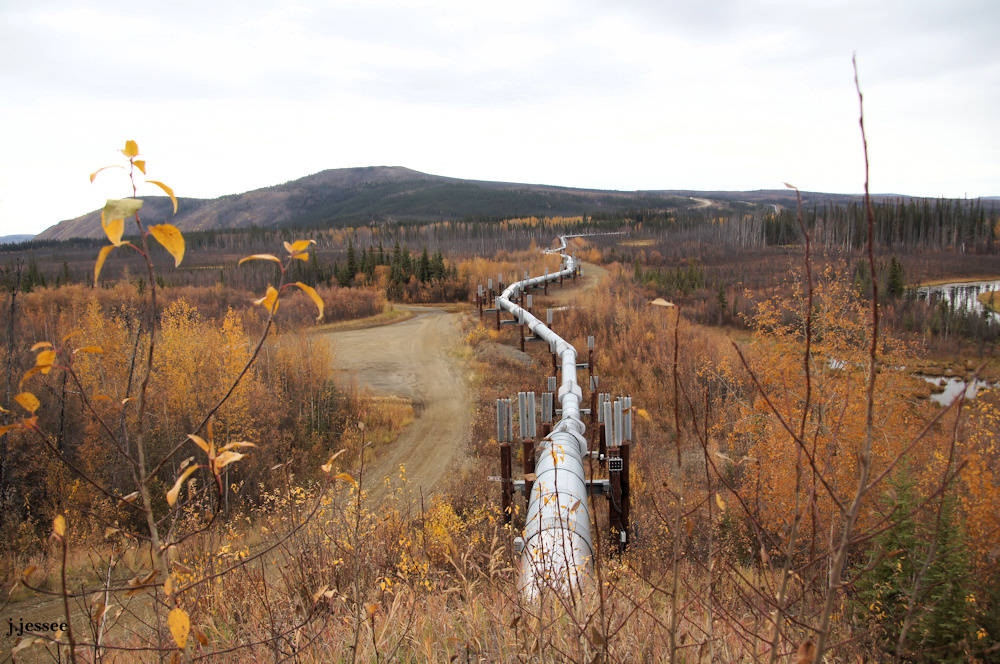
Trans-Alaska Pipeline, Dalton Highway AlaskaFinally the sun starts to come out!

Trans-Alaska Pipeline, Dalton Highway Alaska

And we get to see the pipeline in the evening sun.

Dalton Highway sign

The beautiful Dalton Highway road sign at 1 mile.

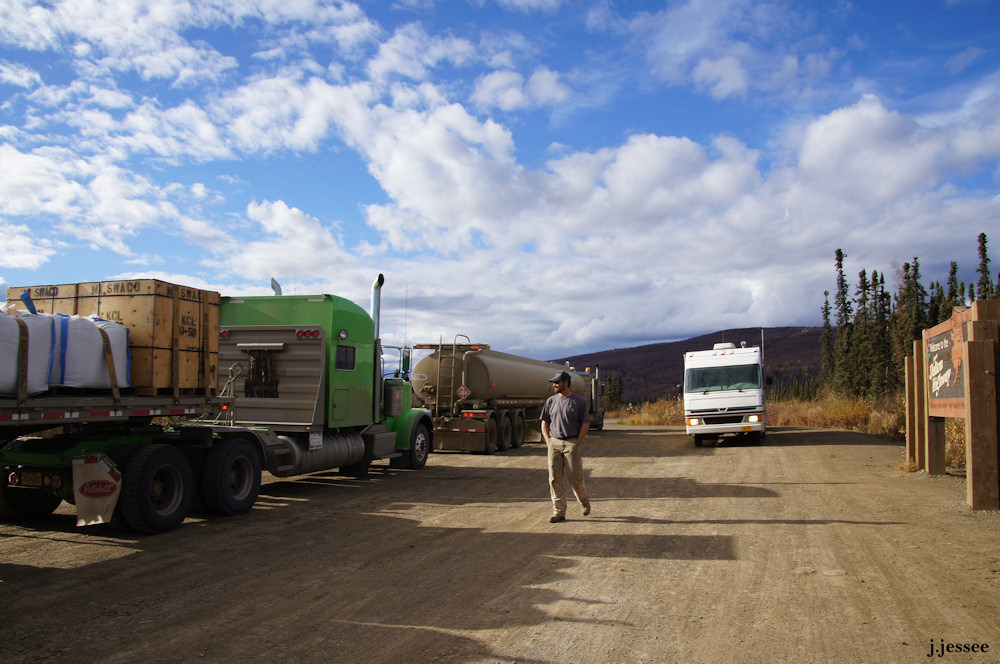
Jack with motor home and big trucks

Jack taking a look at the big trucks, but he’s driving a motor home this time…

Here are a few more photos if you are interested.

Oxbow Lake, Dalton Highway Alaska

Trans-Alaska PIpeline, Dalton Highway Alaska

Autumn FireweedTrans-Alaska Pipeline along the Dalton Highway Alaska

Graffiti on the Trans-Alaska PipelineGraffiti on the Trans-Alaska PipelineBridge near Trans-Alaska Pipeline

Spruce Grouse

Spruce Grouse near the Trans-Alaska PipelineTrans-Alaska PipelineTrans-Alaska Pipeline, Dalton Highway AlaskaTrans-Alaska Pipeline

Have a wonderful autumn everyone!

Atigun Pass, after an avalanche

Merry Christmas everyone!

The below two videos show Jack driving over Atigun Pass through an area of road the state has cleared a tunnel through after an avalanche.

http://www.youtube.com/watch?v=5MYzo645ffY

(You might have to click on the 2nd video if it doesn’t come up like the first one.)

___________________________________

___________________________________

Transportation Art by Christy Hollibone

We want to share this great artwork by Alaskan Christy Hollibone.  You’ll see Jack on the far right and next to him are truckers Tony (left) and Phil (middle).

Transportation Art by Christy Hollibone

We especially like this one too:

Transportation Art by Christy Hollibone

To see more of her transportation art and excellent images of trucks, go to the Moments in Time Art Studio webpage.

Happy November to everyone!

_____________________

_____________________

How does Jack stay warm? Part 2

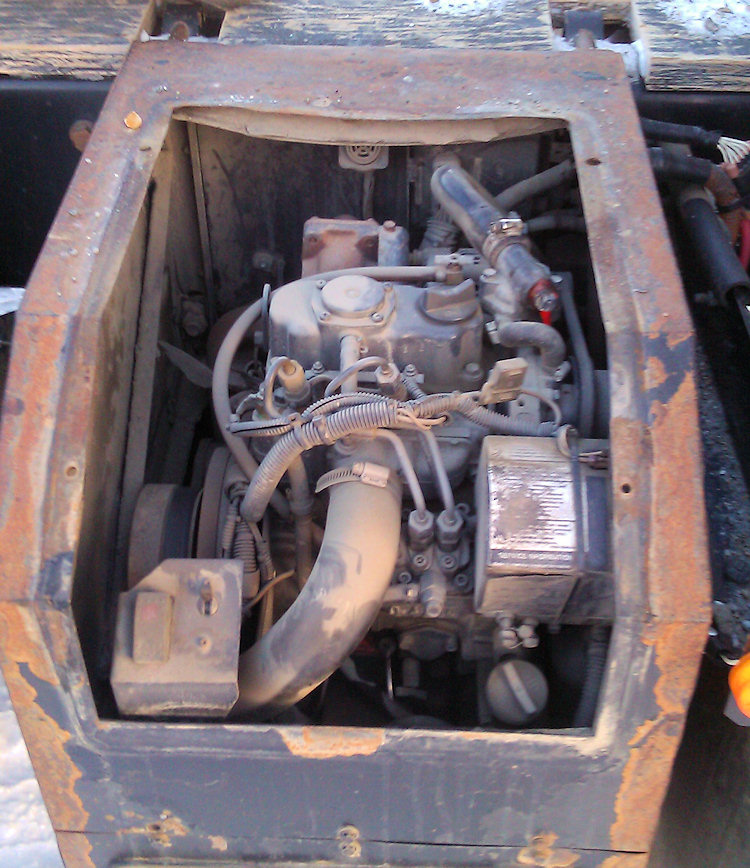
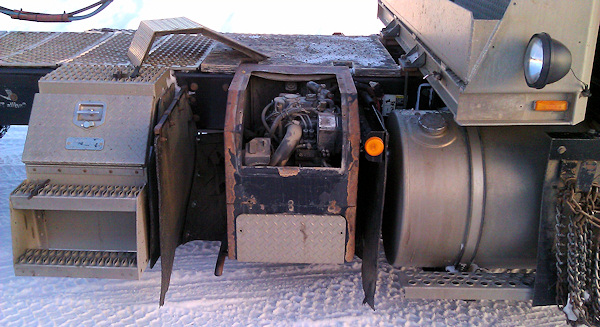
Another way Jack stays warm has to do with the generator in his truck that enables him to turn off the truck’s engine in the winter and not worry about the cab freezing or the engine not starting again.  In fact, this generator is supposed to run at all times that the truck isn’t and keep the cab at room temperature or close to it.  Unfortunately, reality is not quite that ideal.  The generator sometimes breaks down and at those times Jack is forced to run the truck all night at any temperature below about 40 or 50 degrees (since even though Jack has an inner furnace, even he has a hard time sleeping when it’s below 50 degrees).Generator in Big RIg

When I first learned that trucking companies run big trucks all the time during the winter, or at least used to before they got generators to keep the cab warm even when the truck was not running, I was shocked at the amount of fuel that must be needed on a daily basis throughout the winter.  This is unfortunate, and it’s impressive that Carlile is one of the first trucking companies in Alaska to start using the generators in order to cut down on fuel use.

This 4KW generator runs on diesel which it draws from the truck’s fuel tank.  It powers an electric heater under the bed in the cab and a fan blows heated air into the cab from there.  On top of that, the generator serves another purpose:  to circulate antifreeze through the truck’s engine in cold temperatures, preventing it from getting too cold to start.  It’s a great deal and all big rigs driven up here should have them to cut down on fuel usage.

Generator in a Big Rig

Generator in a Big Rig

Trucking Through Fires 2004

I just wanted to share with you this amazing photo Jack took in 2004 when wildfires were raging on the Dalton Highway.  Trucks were still moving through but the air quality for drivers was terrible.  Smoke combined with dusty dry conditions.  This was a non-digital photo that I scanned and ran some enhancing on, to a surprisingly interesting effect.

The Alaska West truck has just driven out of heavy smoke and has a substantial dust trail (click photo to enlarge to proper size).  Windy dry conditions exacerbated the fire intensity and level of destruction.

Truck Driving through Wildfire Smoke - Dalton Highway, Alaska 2004

Wikipedia says about the 2004 Alaska fire season:

The 2004 Alaska fire season was the worst on record in terms of area burned by wildfires in the U.S. state of Alaska.[1] Though fewer individual fires formed than in 1989 when almost 1,000 were recorded, more than 6,600,000 acres (27,000 km2) were burned by the approximately 700 fires that ignited. The largest of these fires was the Taylor Complex Fire, which encompassed 1,700,000 acres (6,900 km2) and was the largest fire in the United States from 1997 to 2007.[2] The Boundary Fire, Wolf Creek Fire, Chatanika Fire, and a fire that enveloped the Trans-Alaska Pipeline also received notable attention from firefighting services and the media. All together 426 fires were started by humans and 215 were started by lightning.

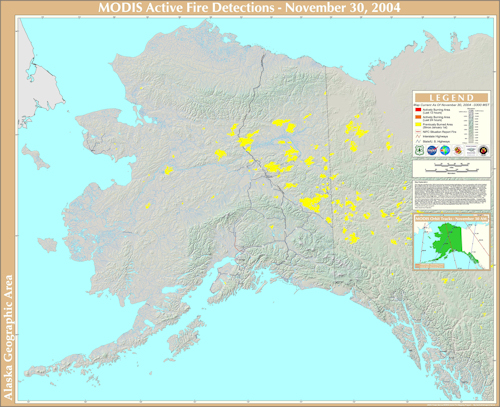
Map from Wikipedia:

Map of Alaska Wildfires 2004

You can see how at least one fire burned right over the Dalton.  Even Jack thinks it was a little scary to drive through these fires.  You really can’t see the road but for a few feet… he says the drivers call it “driving by Braille”.  🙂

Thanks for reading!  More wildfire photos to come.

____________________________

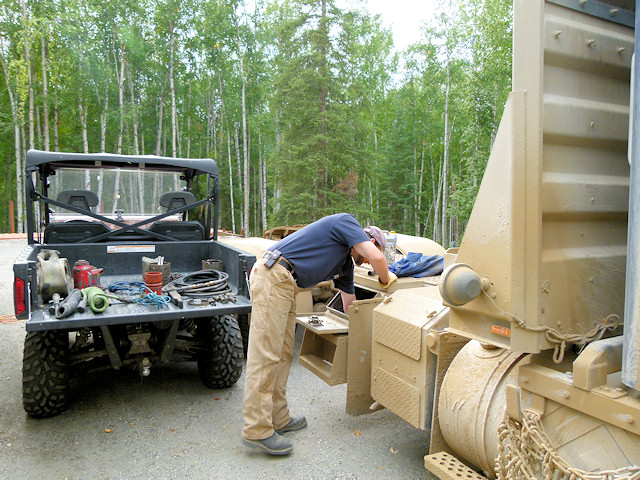
Dirty Truck!

Hello again, sorry it’s been so long since we’ve posted.  Life has been hectic.  You would think that it would slow down a bit if you aren’t working, but that just means more things need to get done…!

Since Jack is taking some time off (he still works for Carlile) he had to clean out 2019 so it can be used by other drivers while he’s gone.

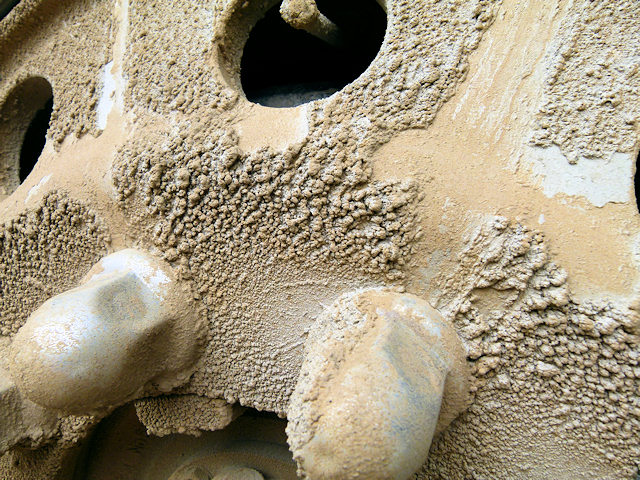
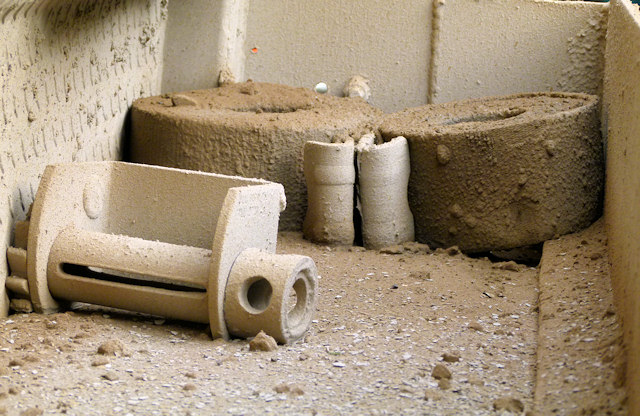
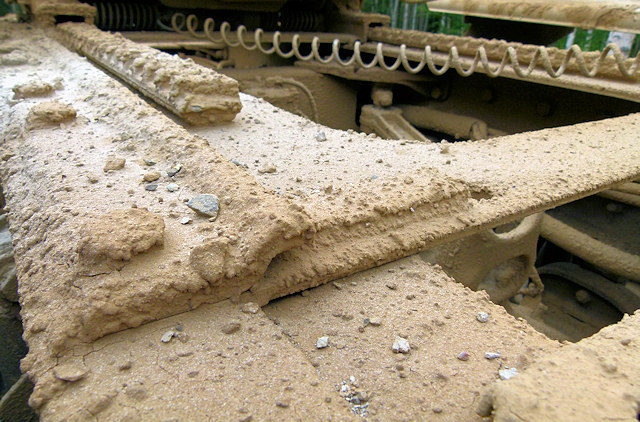
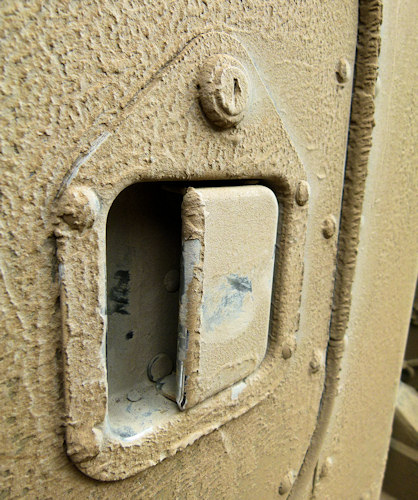
While I was helping him remove his stuff, I noticed that there was a lot of dirt on this truck and I felt the need to document this. 🙂

I hope you enjoy this gallery of dirty truck photos:

Thanks for looking and have a great Labor Day!
___________________________________________________________-

Why are the Wheelbases of Alaskan Trucks so long?

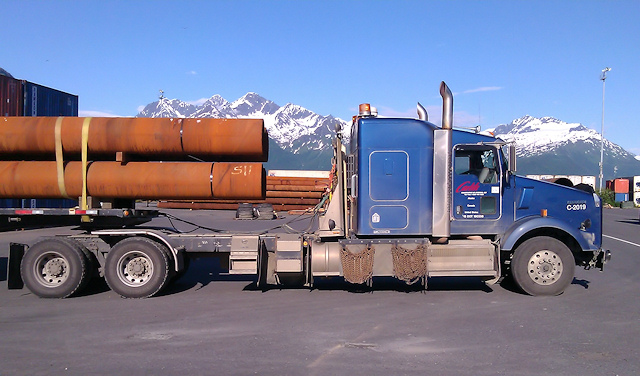
Someone asked a question on Facebook about why the wheelbases of big rigs in Alaska are so long.  Jack says they are so long in order to fit extra long loads.

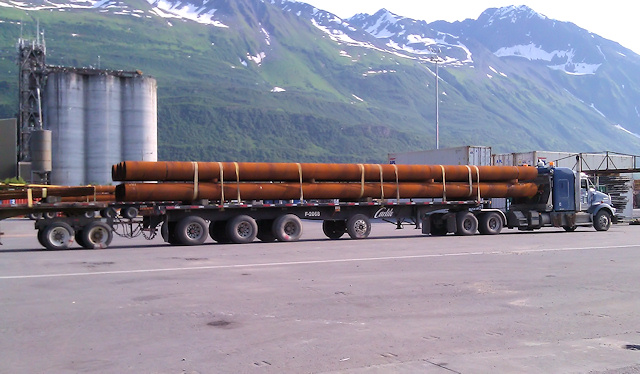
Here is a photo of the long wheelbase being utilized:

Down in the states, the wheelbase would be much shorter on most trucks.  In other words, the wheels would be much closer to the body of the truck and this sized pipe would result in more rear overhang, thus needing more permits and a more complicated set up.  So to avoid that, the wheelbase has been lengthened, since these kinds of loads are commonplace in Alaska.

Since Jack has a long wheel base he can haul another trailer behind this one, as seen here:

This is the second trailer – it has a load of sheet pile (sheets of metal that are driven into the ground and used for road construction or for bridge construction).

(In the first photo you can see part of the second trailer but it’s hard to make out because there is another trailer of pipe behind it.  In the second photo I erased the pipe behind so you can see the load on the second trailer better.)

Here are a few more photos of the Salcha-Valdez pipe haul.

The last piece of pipe being loaded!

Jack is so happy to be on his LAST VALDEZ RUN so he can get back on the Dalton!!

___________________________

(Don’t forget, if you need the font size on this page larger for easier reading, press Ctrl +++ at the same time.)

___________________________